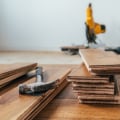
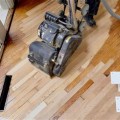
When it comes to maintaining a home, floor repair services play a crucial role in ensuring both aesthetic appeal and structural integrity. Floors endure significant wear and tear over time due to foot traffic, furniture movement, and environmental factors. As a result, homeowners often face the dilemma of whether to repair or replace their flooring. Understanding the importance of timely floor repairs can not only enhance the beauty of your living space but also safeguard your investment. The lifespan of repaired floors is a key consideration for homeowners contemplating floor repair services.
A well-executed repair can extend the life of your flooring significantly, allowing you to enjoy its benefits for years to come. However, the longevity of these repairs depends on various factors, including the type of flooring material, the extent of damage, and the quality of the repair work performed. By investing in professional services, you can ensure that your floors are restored to their original condition, maximizing their lifespan. Moreover, addressing floor issues promptly is essential for maintaining safety within your home. Damaged floors can pose hazards such as tripping or falling, which can lead to serious injuries.
By prioritizing floor repair, you not only enhance the visual appeal of your home but also create a safer environment for your family and guests. In this article, we will delve deeper into the expected lifespan of repaired floors and explore how proper maintenance can further extend their durability.
Factors Influencing the Lifespan of Repaired Floors
The lifespan of a repaired floor can vary significantly based on several key factors. Understanding these factors can help homeowners and property managers make informed decisions when utilizing floor repair services.Quality of Repair Work
The expertise and skill of the professionals performing the repair play a crucial role in determining how long the floor will last. High-quality workmanship ensures that the repairs are not only aesthetically pleasing but also structurally sound.Poorly executed repairs can lead to further damage, reducing the lifespan of the floor.
Materials Used
The choice of materials for the repair is another significant factor. Different materials have varying levels of durability and resistance to wear and tear. For instance, using high-grade hardwood or engineered wood can enhance longevity compared to lower-quality alternatives. Additionally, the type of adhesive or sealant used can impact how well the repaired area withstands moisture and temperature fluctuations.Environmental Conditions
Environmental factors such as humidity, temperature, and foot traffic also influence the lifespan of repaired floors.In areas with high humidity, for example, wood floors may expand and contract more frequently, leading to potential warping or cracking if not properly managed. Similarly, floors in high-traffic areas may experience more wear and tear, necessitating more frequent repairs.
Maintenance Practices
Regular maintenance is essential for prolonging the life of repaired floors. Simple practices such as cleaning spills promptly, using appropriate cleaning products, and applying protective coatings can significantly enhance durability. Homeowners should also consider periodic inspections to identify any early signs of damage that may require attention.In summary, the expected lifespan of a repaired floor is influenced by the quality of repair work, materials used, environmental conditions, and ongoing maintenance practices.By paying attention to these factors, individuals can maximize the longevity of their repaired floors and ensure they remain functional and attractive for years to come.
Common Types of Floor Repairs and Their Lifespans
When considering floor repair services, it's essential to understand the various types of repairs available and their expected lifespans. Different flooring materials have unique characteristics that influence how long they can last after being repaired.Hardwood Floor Repairs
Hardwood floors are known for their durability and aesthetic appeal. When repaired properly, hardwood floors can last an additional 10 to 20 years. Common repairs include refinishing, replacing damaged boards, and fixing water damage.Regular maintenance, such as refinishing every few years, can extend the lifespan even further.
Laminate Floor Repairs
Laminate flooring is a popular choice due to its affordability and ease of installation. However, it is less durable than hardwood. After repairs, such as replacing planks or fixing scratches, laminate floors typically have a lifespan of 5 to 15 years. The longevity largely depends on the quality of the laminate and the extent of the repairs.Tile Floor Repairs
Tile floors are highly durable and resistant to moisture, making them a great option for kitchens and bathrooms.Repairs often involve re-grouting or replacing cracked tiles. Once repaired, tile floors can last anywhere from 15 to 25 years, especially if they are well-maintained and regularly cleaned.
Vinyl Floor Repairs
Vinyl flooring is another cost-effective option that can withstand heavy foot traffic. Repairs may include patching holes or replacing sections of vinyl. After repairs, vinyl floors can last approximately 10 to 20 years, depending on the quality of the material and the nature of the repair. In summary, understanding the expected lifespan of different floor types after repairs can help homeowners make informed decisions when utilizing floor repair services.By choosing the right materials and ensuring proper maintenance, you can maximize the longevity of your flooring investment.
The Role of Professional Floor Repair Services
When it comes to maintaining the integrity and appearance of your floors, the choice between professional floor repair services and DIY repairs can significantly impact the longevity of the repairs. While DIY projects may seem cost-effective, they often lack the expertise and tools that professionals bring to the table.Benefits of Hiring Professionals
- Expertise: Professional floor repair services have trained technicians who understand various flooring materials and the best methods for repairing them. This knowledge ensures that repairs are done correctly the first time.
- Quality Materials: Professionals typically have access to high-quality materials that may not be available to the average homeowner. Using superior materials can enhance the durability of the repair.
- Time Efficiency: Hiring professionals can save you time.
They can complete repairs quickly and efficiently, allowing you to return to your normal routine sooner.
- Warranty: Many professional services offer warranties on their work, providing peace of mind that if something goes wrong, they will address it without additional costs.
DIY vs. Professional Repair
While DIY repairs can be a rewarding experience, they often come with risks. A lack of experience can lead to improper repairs that may not last as long as those completed by professionals. For instance, a poorly executed patch job on hardwood floors might result in visible seams or even further damage over time.Moreover, certain types of flooring require specialized tools and techniques that most homeowners do not possess.
For example, repairing tile floors often involves precise cutting and fitting that is best left to experts who have the right equipment.In conclusion, while DIY repairs may seem appealing for their lower upfront costs, investing in professional floor repair services can ultimately lead to longer-lasting results. The expertise, quality materials, and efficiency provided by professionals not only enhance the appearance of your floors but also ensure that your investment stands the test of time.
Maintenance Tips to Extend the Lifespan of Repaired Floors
To ensure that your repaired floors maintain their integrity and aesthetic appeal over time, implementing a consistent maintenance routine is essential. Here are some practical tips to help you extend the lifespan of your repaired floors:- Regular Cleaning: Keep your floors clean by sweeping or vacuuming regularly to remove dirt and debris. This prevents scratches and wear on the surface.
- Use Appropriate Cleaning Products: When mopping or cleaning, use products that are specifically designed for your floor type.
Avoid harsh chemicals that can damage the finish or repair work.
- Address Spills Immediately: Clean up spills as soon as they occur to prevent staining or water damage. Use a soft cloth to blot, rather than rubbing, which can spread the liquid.
- Avoid Excessive Moisture: For wood and laminate floors, excessive moisture can lead to warping. Use a damp mop instead of soaking the floor, and ensure proper ventilation in areas prone to humidity.
- Protect High-Traffic Areas: Place rugs or mats in high-traffic zones to reduce wear and tear. This is especially important in entryways and hallways where foot traffic is frequent.
- Rearrange Furniture Periodically: Changing the layout of your furniture can help distribute weight evenly across the floor, preventing indentations and uneven wear.
- Schedule Professional Inspections: Consider having your floors inspected by professionals periodically.
They can identify potential issues early on and recommend necessary maintenance or repairs.
Frequently Asked Questions About Floor Repair Lifespan
When considering floor repair services, many homeowners have questions about the longevity of repaired floors. Understanding the expected lifespan can help you make informed decisions about maintenance and future repairs.How Long Do Repaired Floors Last?
The lifespan of a repaired floor largely depends on several factors, including the type of flooring, the extent of the damage, and the quality of the repair work. Generally, a well-executed repair can extend the life of your floor by an additional 5 to 15 years.Factors Influencing Lifespan
- Type of Flooring: Different materials have varying durability.
For instance, hardwood floors can last decades if properly maintained, while laminate may require more frequent repairs.
- Quality of Repair: Engaging professional floor repair services ensures that repairs are done correctly, which can significantly enhance longevity.
- Maintenance: Regular cleaning and maintenance can prevent further damage and prolong the life of repaired areas.
Common Questions About Floor Repairs
- Can I repair my floor myself? While DIY repairs are possible, they may not always yield the best results. Professional services often provide warranties that cover their work.
- What signs indicate I need floor repairs? Look for cracks, warping, or uneven surfaces as indicators that your floor may need attention.
- Is it worth repairing my floor? If the damage is minor and the flooring is otherwise in good condition, repairs can be a cost-effective solution compared to full replacement.
Conclusion: Key Takeaways on Repaired Floor Lifespan
In conclusion, understanding the expected lifespan of a repaired floor is crucial for homeowners and property managers alike. The longevity of a floor after repair largely depends on several factors, including the type of flooring material, the quality of floor repair services utilized, and the ongoing maintenance practices implemented.Key Takeaways:- Quality of Repairs: Engaging professional floor repair services ensures that repairs are conducted with expertise and the right materials, significantly enhancing the durability of the floor.
- Material Matters: Different flooring materials have varying lifespans.
For instance, hardwood floors can last decades when properly repaired and maintained, while laminate may require more frequent attention.
- Regular Maintenance: Routine care, such as cleaning and refinishing, plays a vital role in extending the life of repaired floors. Neglecting maintenance can lead to quicker deterioration.
- Environmental Factors: Consideration of environmental conditions—like humidity and temperature—can also impact the lifespan of a repaired floor. Proper climate control can mitigate potential damage.