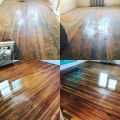
Maintaining the integrity of your floors is crucial not only for aesthetic appeal but also for ensuring safety and longevity.
Floor maintenance
is often overlooked, yet it plays a vital role in preserving the value of your home or business. Regular care can prevent minor issues from escalating into significant problems that require costly floor repair services. Understanding the importance of floor care is essential for any property owner. Floors endure a lot of wear and tear from foot traffic, furniture, and environmental factors.Over time, even the most durable materials can show signs of damage, which can compromise their functionality and appearance. By prioritizing floor maintenance, you can identify potential issues early on, allowing for timely interventions that can save you both time and money in the long run. Moreover, well-maintained floors contribute to a healthier living environment. Cracks, warps, or stains not only detract from the beauty of your space but can also harbor allergens and bacteria. This makes it imperative to stay vigilant about the condition of your floors.
In the following sections, we will delve deeper into the specific signs of floor damage that indicate when it’s time to seek professional floor repair services. Recognizing these signs early can make all the difference in maintaining a safe and inviting atmosphere in your home or workplace.
Common Signs of Floor Damage
Identifying the signs of a damaged floor early can save you from costly repairs and ensure the safety of your home. Here are some common indicators that your flooring may need attention:- Cracks and Gaps: Look for visible cracks or gaps in the flooring material. These can be signs of underlying structural issues or moisture damage.
- Buckling or Warping: If your floorboards are lifting or warping, it may indicate water damage or poor installation.
This can lead to further deterioration if not addressed promptly.
- Uneven Surfaces: A floor that feels uneven underfoot can be a sign of foundation problems or settling. This issue can worsen over time, leading to more significant damage.
- Water Stains: Dark spots or stains on your flooring, especially near walls or windows, can indicate leaks or water intrusion. These stains often signal the need for immediate floor repair services.
- Squeaking or Creaking Sounds: Noises when walking on the floor can suggest loose boards or inadequate support beneath the surface. This is often a precursor to more severe issues.
For instance, increased humidity levels can lead to mold growth and further damage to your floors. Regular inspections and maintenance can help you catch these problems early. If you notice any of these floor damage indicators, it’s advisable to consult with professional floor repair services. They can provide a thorough assessment and recommend the best course of action to restore your flooring's integrity.
Types of Flooring and Their Specific Damage Signs
Understanding the specific signs of damage for different types of flooring can help homeowners identify issues early and seek floor repair services before the damage worsens. Here’s a breakdown of common flooring types and their unique damage indicators.Hardwood Flooring
Hardwood floors are known for their beauty and durability, but they can suffer from various forms of damage.Look for the following signs:
- Scratches and Dents: These can occur from furniture movement or pet claws. Minor scratches can often be buffed out, but deeper dents may require professional attention.
- Water Damage: Signs include warping, buckling, or discoloration. If you notice these issues, it’s crucial to address them quickly to prevent mold growth.
- Loose or Creaking Boards: This can indicate that the floor is settling or that there is moisture damage. It’s advisable to consult with a flooring expert if you experience this.
Tile Flooring
Tile floors are generally resilient, but they are not immune to damage.Homeowners should watch for:
- Cracks and Chips: These can occur due to heavy impacts or temperature changes. Small chips may be repaired with filler, but larger cracks might necessitate tile replacement.
- Grout Deterioration: Discolored or crumbling grout can lead to water infiltration and further damage. Regular maintenance is key to preventing this issue.
- Loose Tiles: If tiles start to lift or move, it may indicate underlying issues with the subfloor or improper installation.
Carpet Flooring
Carpets provide comfort but can show signs of wear over time. Key indicators of carpet damage include:- Stains and Discoloration: Persistent stains from spills or pet accidents can be difficult to remove and may require professional cleaning services.
- Bumps or Ripples: These often result from improper installation or moisture issues.
Stretching the carpet may resolve this problem.
- Foul Odors: Unpleasant smells can indicate mold growth beneath the carpet, necessitating immediate attention from a flooring specialist.
The Consequences of Ignoring Floor Damage
Neglecting floor damage can lead to a cascade of problems that extend beyond mere aesthetics. The consequences of ignoring these issues can be severe, affecting not only the integrity of your home but also the health and safety of its occupants.Structural Risks
- Compromised Stability: Floors that are damaged can lead to structural instability, increasing the risk of accidents such as slips and falls.
- Increased Repair Costs: What may start as a minor issue can escalate into a major repair project if left unattended. Early intervention through floor repair services can save homeowners significant expenses in the long run.
Health Hazards
- Mold Growth: Damaged floors, especially those affected by water, can become breeding grounds for mold and mildew, posing serious health risks to residents.
- Pest Infestations: Cracks and gaps in flooring can attract pests, leading to infestations that further complicate the living environment.
Long-Term Effects
- Decreased Property Value: A home with visible floor damage may deter potential buyers, leading to a decrease in property value.
- Inconvenience: Living with damaged floors can disrupt daily activities, making it uncomfortable and inconvenient for families.
Engaging professional floor repair services at the first sign of damage is crucial to avoid these long-term consequences.
When to Call for Professional Floor Repair Services
Determining when to seek professional floor repair services can be crucial for maintaining the integrity and aesthetics of your home. While some minor issues may be manageable through DIY methods, there are specific signs that indicate it’s time to call in the experts.- Visible Damage: If you notice significant cracks, warping, or buckling in your flooring, these are clear indicators that the damage is beyond a simple fix. Such issues often stem from underlying problems like moisture intrusion or structural damage.
- Persistent Water Damage: Water stains or mold growth on your floors can signal serious issues. If you’ve attempted to dry the area without success, it’s essential to contact a professional who can assess and repair any hidden damage.
- Uneven Surfaces: Floors that feel uneven or sloped can indicate foundational problems.
This is not just a cosmetic issue; it can affect the safety and stability of your home.
- Noise Issues: Squeaky or creaking floors may seem minor, but they can be signs of loose boards or subflooring problems. If these noises persist despite attempts to fix them, it’s time to consult a professional.
Professional floor repair services
bring specialized knowledge and tools that ensure repairs are done correctly and safely. Attempting to fix significant damage without proper training can lead to further complications and increased costs down the line.If you’re unsure whether your floor issues warrant professional help, consider getting a consultation.Many floor repair services offer assessments that can help you understand the extent of the damage and the best course of action.In summary, while minor scratches or scuffs might be easily addressed at home, significant signs of damage should prompt you to seek professional assistance. This not only ensures a thorough repair but also protects your investment in your home.
Frequently Asked Questions About Floor Damage and Repair Services
When it comes to floor repair services, many homeowners have questions about the signs of floor damage and the best ways to address them. Here are some frequently asked questions that can help you understand more about your flooring issues.- What are the common signs of floor damage?
- Creaking or squeaking sounds: If your floors make noise when you walk on them, it could indicate loose boards or underlying issues.
- Uneven surfaces: If you notice dips or bumps in your flooring, this may be a sign of structural damage or water intrusion.
- Cracks or gaps: Visible cracks in hardwood or gaps between tiles can signal that your flooring is deteriorating.
- Water stains: Discoloration from water damage can lead to mold growth and further deterioration if not addressed promptly.
- How can I fix damaged floors?
- Assess the damage: Before taking any action, determine the extent of the damage. This will help you decide whether to attempt a DIY fix or call in professionals.
- Minor repairs: For small scratches or dents, consider using wood filler or a touch-up kit.
For tile floors, replacing individual tiles may be an option.
- Professional help: For significant issues like water damage or structural problems, it’s best to contact floor repair services. They have the expertise and tools necessary to restore your floors effectively.
- How often should I inspect my floors for damage?Regular inspections are key to maintaining your flooring. Aim to check your floors at least twice a year, looking for any signs of wear and tear. Early detection can save you money on extensive repairs later.
Timely intervention can prevent further issues and keep your home safe and beautiful.
Conclusion: Taking Action on Floor Damage Signs
In conclusion, recognizing the signs of floor damage is crucial for maintaining the integrity and aesthetics of your home. Whether it’s the presence of cracks, warping, or water damage, each sign indicates that your flooring may require immediate attention. Ignoring these issues can lead to more extensive damage and costly repairs down the line.As we’ve discussed, some common indicators of floor damage include:- Cracks and Splits: These can occur due to settling or moisture issues.
- Uneven Surfaces: If you notice areas that feel bumpy or sloped, it may signal underlying problems.
- Water Stains: Discoloration often points to leaks or spills that have not been addressed.
- Squeaking or Creaking Sounds: Noises when walking on the floor can indicate loose boards or structural issues.
Not only will this protect your investment, but it will also enhance the safety and comfort of your living space.Don’t wait until minor issues escalate into major repairs. Contact a qualified flooring expert today to evaluate your floors and discuss potential repair options. Taking proactive steps now can save you time, money, and stress in the future.