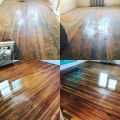
When it comes to maintaining the integrity and aesthetics of your home, floor repair services play a pivotal role. These services encompass a wide range of solutions designed to address various issues that can arise with different types of flooring, from hardwood and laminate to tile and carpet. Understanding what these services entail is essential for homeowners who want to ensure their floors remain in optimal condition. Floor repair services can include everything from minor fixes, such as patching up scratches or replacing damaged tiles, to more extensive repairs like addressing structural issues or water damage. Each type of flooring has its unique set of challenges, which is why knowing the specifics of your flooring type can significantly influence the repair process.
For instance, hardwood floors may require specialized techniques to avoid further damage during repairs, while carpet repairs might involve re-stretching or replacing sections. Moreover, being informed about the various types of floor repair services available can empower you as a homeowner. It allows you to communicate effectively with professionals and make informed decisions about the best course of action for your flooring needs. Whether you're dealing with unsightly stains, creaking boards, or cracked tiles, understanding the landscape of floor repair services will help you navigate your options and achieve the best results for your home.
Why Your Flooring Type Matters
Understanding your flooring type is crucial before seeking floor repair services. Different materials have unique characteristics that influence not only the repair process but also the overall cost and time required for the job.Importance of Flooring Type
- Material Composition: Each flooring type, whether it’s hardwood, laminate, tile, or carpet, has specific repair needs.
For instance, hardwood may require refinishing, while tile might need grout replacement.
- Durability and Lifespan: Knowing the durability of your flooring can help in assessing how extensive the repairs might be. Some materials are more prone to damage and may need more frequent repairs.
- Aesthetic Considerations: The type of flooring affects the visual appeal of your space. Repairs should match the existing flooring to maintain a cohesive look.
How Flooring Type Affects Repairs
- Repair Techniques: Different flooring types require different techniques. For example, repairing a vinyl floor may involve patching, while a carpet might need stretching or re-seaming.
- Cost Implications: The cost of repairs can vary significantly based on the flooring type.
High-end materials like natural stone may incur higher repair costs compared to more affordable options like laminate.
- Time Required: Some repairs can be completed quickly, while others may take longer due to the complexity involved with certain materials.
Common Types of Flooring and Their Repair Needs
Understanding the types of flooring in your home is crucial when considering floor repair services. Each flooring type has unique characteristics and repair needs that can significantly affect the approach and cost of repairs.Hardwood Flooring
Hardwood floors are known for their durability and timeless appeal. However, they can suffer from scratches, dents, and water damage.Repairing hardwood often involves sanding down the affected area and refinishing it to restore its original look. In cases of severe damage, replacing individual planks may be necessary.
Laminate Flooring
Laminate flooring is a popular choice due to its affordability and ease of installation. However, it is susceptible to chipping and warping, especially in areas with high moisture. Repairing laminate typically requires replacing the damaged planks, as they cannot be sanded or refinished like hardwood.Tile Flooring
Tile floors are highly durable but can crack or become loose over time.Repairing tile often involves re-grouting or replacing individual tiles. It's essential to identify the type of tile (ceramic, porcelain, etc.) to ensure a proper match during repairs.
Carpet Flooring
Carpet can experience wear and tear from foot traffic, stains, and pet damage. Common repair methods include patching damaged areas or stretching the carpet to eliminate wrinkles. In some cases, professional cleaning may also be necessary to restore its appearance. By identifying your flooring type and understanding its specific repair needs, you can provide valuable information to your floor repair services, ensuring a more efficient and effective repair process.Key Information to Provide Before Getting Repairs
When preparing to engage floor repair services, providing detailed information about your flooring is crucial for a smooth and effective repair process.Here are the key details you should consider sharing:
- Type of Flooring: Specify whether your flooring is hardwood, laminate, tile, carpet, or vinyl. Each type has unique characteristics and repair methods.
- Extent of Damage: Describe the damage in detail. Is it a small scratch, a large crack, or water damage? Providing photos can also be beneficial.
- Age of the Flooring: Knowing how old your flooring is can help repair professionals determine the best approach and materials needed for repairs.
- Previous Repairs: If any repairs have been made in the past, share this information. It helps technicians understand what has been done and what might need to be addressed again.
- Environmental Factors: Mention any environmental issues that may have contributed to the damage, such as humidity levels or exposure to water.
This not only speeds up the repair process but also ensures that the repairs are effective and long-lasting.Additionally, being prepared with this information can help you ask informed questions during consultations, ensuring you understand the repair process and any associated costs. Remember, clear communication with your floor repair service can lead to better outcomes and satisfaction with the final results.
How to Assess Your Flooring Damage
Assessing the condition of your flooring is a crucial step before seeking floor repair services. Identifying the specific issues can help you communicate effectively with professionals and ensure that the right solutions are applied. Here’s how to evaluate your flooring damage:Signs of Flooring Damage
Look for the following indicators that may suggest your flooring needs attention:- Cracks or Chips: Small cracks can develop into larger issues if not addressed promptly.
- Bubbles or Warping: These signs often indicate moisture damage, which can compromise the integrity of your flooring.
- Discoloration: Stains or fading can be a sign of water damage or wear and tear.
- Squeaking or Creaking Sounds: Noises when walking on the floor may suggest loose boards or subfloor issues.
DIY Damage Assessment
You can perform a preliminary assessment of your flooring by following these steps:- Visual Inspection: Examine your floors for any visible signs of damage, such as cracks, warping, or discoloration.
- Moisture Test: Use a moisture meter to check for elevated moisture levels, especially in areas prone to spills or leaks.
- Tactile Check: Walk around barefoot to feel for uneven surfaces or soft spots that may indicate underlying issues.
Take photos and make notes about the specific areas affected. This information will be invaluable when discussing your needs with floor repair services, ensuring they understand the extent of the damage and can provide appropriate solutions.
Frequently Asked Questions About Floor Repair Services
When considering floor repair services, many homeowners have questions about the information they need to provide before the repair process begins. Here are some common inquiries and their answers:- Do I need to specify my flooring type? Yes, it is crucial to inform the repair service about your flooring type. Different materials, such as hardwood, laminate, tile, or carpet, require specific repair techniques and materials.
Providing this information helps the professionals assess the damage accurately and recommend the best solutions.
- What details should I share about the damage? Be as descriptive as possible regarding the nature of the damage. Is it a scratch, a dent, or water damage? Take photos if possible, as visual evidence can help the repair team understand the extent of the issue.
- Are there any signs of underlying issues? If you notice signs like uneven floors or mold growth, mention these to your repair service. Such issues may indicate deeper problems that need addressing before any surface repairs can be made.
- How can I prepare for the repair? Clear the area of furniture and personal items to allow easy access for the repair team. This preparation can expedite the process and ensure a thorough job.
Choosing the Right Floor Repair Service Provider
When it comes to selecting the right floor repair service provider, there are several key factors to consider to ensure you receive quality workmanship and customer satisfaction.1.Assess Experience and Expertise
Start by evaluating the experience of potential contractors.
Look for companies that have been in the business for several years and have a proven track record in floor repair services. Experienced professionals are more likely to handle various flooring types, including hardwood, laminate, tile, and carpet.
2.Read Reviews and Testimonials
Customer reviews can provide valuable insights into the reliability and quality of a service provider. Check online platforms such as Google, Yelp, or Angie's List for feedback from previous clients. Pay attention to comments regarding the quality of work, timeliness, and customer service.
A company with consistently positive reviews is often a good choice.
3.Specialization in Flooring Types
Different flooring materials require different repair techniques. Ensure that the service provider you choose specializes in the type of flooring you have. For instance, if you need repairs for hardwood floors, look for a company that has specific experience with hardwood restoration.
4.Get Multiple Quotes
Don’t settle for the first estimate you receive. Contact several floor repair companies to get quotes and compare their services.
This will not only give you an idea of the average cost but also help you gauge their professionalism based on how they communicate and present their estimates.
5.Verify Credentials and Insurance
Always check if the floor repair service provider is licensed and insured. This protects you from liability in case of accidents during the repair process and ensures that the contractor meets industry standards.
6.Ask About Warranties
A reputable floor repair company should offer warranties on their work. This shows confidence in their services and provides you with peace of mind knowing that any issues post-repair will be addressed without additional costs.By taking these steps, you can confidently choose a reliable floor repair service provider that meets your needs and ensures your flooring is restored to its best condition.
Conclusion: Preparing for Your Floor Repair Journey
In conclusion, understanding the type of flooring you have is crucial when seeking floor repair services. Providing accurate information about your flooring not only helps the repair professionals assess the situation more effectively but also ensures that the right materials and techniques are used for your specific needs.Here are some key takeaways to consider:- Identify Your Flooring Type: Whether it’s hardwood, laminate, tile, or carpet, knowing your flooring type allows for tailored repair solutions.
- Document Any Damage: Take photos and notes of any visible damage.
This information can be invaluable for the repair team.
- Communicate Your Concerns: Be open about any issues you’ve noticed, such as squeaking, warping, or discoloration. This will help the professionals diagnose the problem accurately.
- Ask Questions: Don’t hesitate to ask about the repair process, materials used, and expected outcomes. A knowledgeable service provider will appreciate your engagement.
This proactive approach not only saves time but also enhances the quality of the repairs performed on your floors.